This year has been a rollercoaster. I’ve had five throat infections, a round of Covid, three holidays and numerous fibromyalgia flare ups. My three year old got a place in nursery, starting in August. I was diagnosed with ADHD in February and started medication (life changing, by the way) in March.
Most significantly, a few months ago I had a realisation that totally blindsided me: my daughter is autistic.
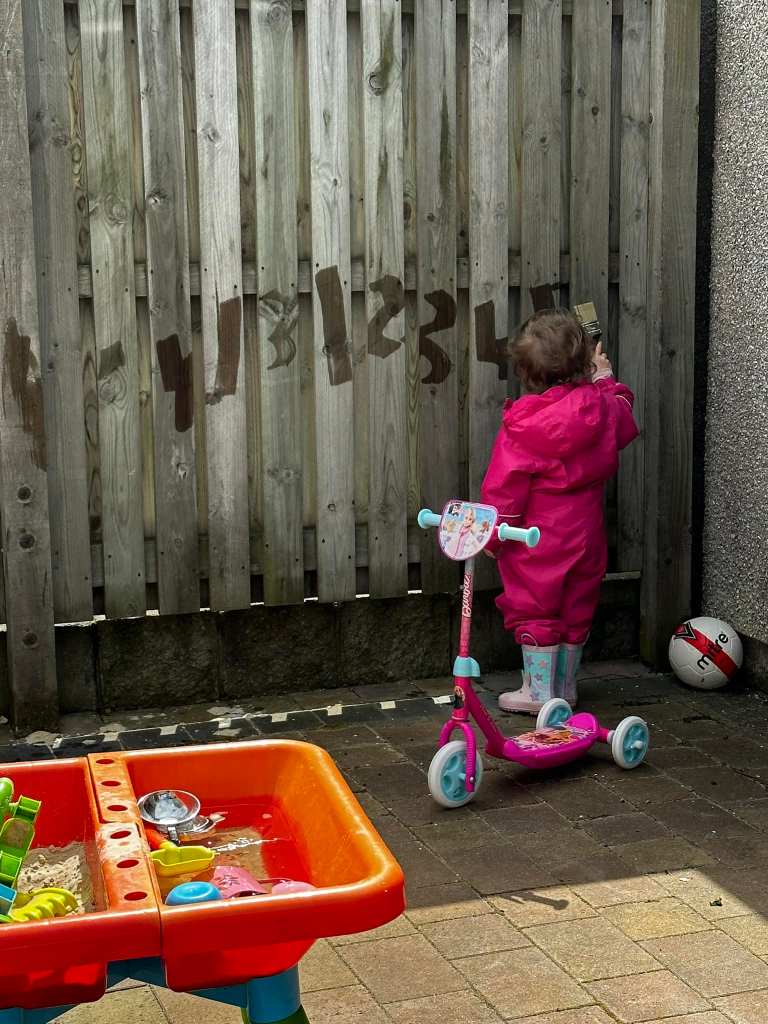
Admittedly, it wasn’t a complete surprise. She didn’t talk until she was two and a half, but by the time she was 18 months old she could count to 100 and knew the alphabet. Last year we went to the zoo and she had a completely untouchable meltdown when a noisy school group came into the restaurant. It took us the best part of an hour to get her to stop screaming, and I’m pretty sure it was only because she wiped herself out and fell asleep in the buggy.
At the time a little bell went off in my head, but she was only just two, after all. Plenty of kids aren’t talking and scream a lot when they’re two. Right?
So I shoved it to one side and spent the next year feeling like the shittest mother in the world, listening to other people talking about things their kids were saying or doing and wondering how I’d failed so dramatically. We did everything we thought we were meant to. We read books and tried to limit screen time. I took Edith to toddler groups and organised playdates. We talked and sang to her constantly – but even when she started to talk and sing as well, other kids her age just seemed so advanced.
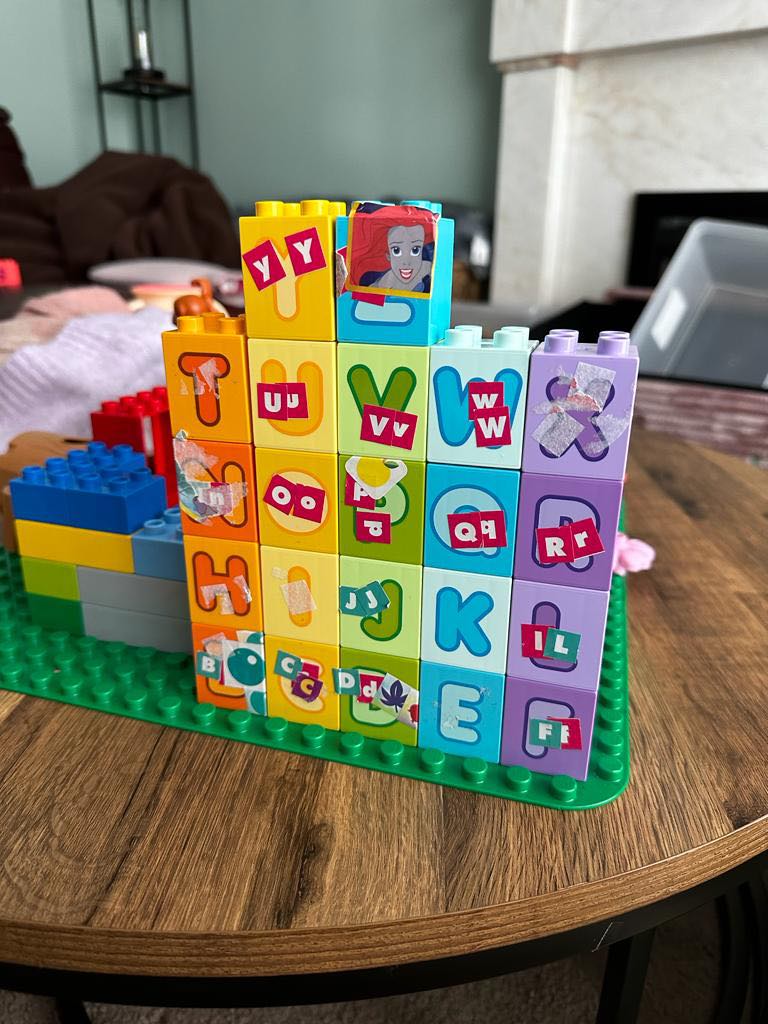
And then just after her third birthday I had a conversation with another three year old. A real, spontaneous, back-and-forth conversation. And I looked at my “can write upper and lowercase letters and speaks only by repeating things she’s heard” daughter and suddenly felt like I was seeing her for the first time.
There have been whole weeks of self-doubt. At the start I convinced myself at least once a day that I was overthinking things (which, to be fair, I probably was at times) and inventing a problem that didn’t exist. I’ve been blamed, I’ve been dismissed, I’ve been made to feel like I’m full of shit – by medical professionals and by other people I’ve spoken to about. I felt like when I was accessing spaces and information and resources for kids with ASD that I was appropriating something I wasn’t entitled to and didn’t deserve.
I still do, if I’m being totally honest. But we’ve been assessed by the health visitor and referred to community paediatrics, so now comes the waiting.
And waiting.
And waiting.

I debated whether or not I should be talking about my child online but I think it’s really important for people to be aware that ASD doesn’t just mean “nonverbal kids who like trains and never make eye contact”. Edith laughed and smiled from an early age, she loves a cuddle, she sings at the top of her lungs and can communicate adequately if she wants something. She can follow instructions and on the surface looks like she socialises really well.
Unfortunately ASD suffers from the same issue as ADHD: a lot of information and preconceptions come from a specific demographic, and that demographic is young boys.

I’m not sad about it. It’s who she is and we’ll unpick what she finds challenging and what brings her joy as she grows up .
But I am sad when I think about all the things that are hard for her now and will be even harder for her in the future. I’m sad because I still feel like a failure trying to untangle what she wants and needs every day, because she can’t tell me. I’m sad because all I can think about is how lonely and frightening and difficult it was for me growing up neurodiverse and never feeling comfortable in my own skin at all, or like I belonged anywhere. My worst nightmare has always been that she’ll have the same experience.
We worked it out early. She’ll have all the support that we can possibly get our hands on as she gets older and goes to school. Most importantly, she’ll grow up knowing who she is and why.
I hope it’s enough.

 Chronic Mother